
Two decades ago, you were more likely to encounter a handpan on a street corner than in a luxury hotel.
The instrument had an unusual beginning. The Hang was developed by PANArt in Switzerland around the turn of the millennium and introduced publicly in 2001. It quickly developed a following far beyond the world of conventional musical instruments.
Musicians took it to streets, subway stations and public spaces. Performers such as Daniel Waples helped make its sound recognisable to millions of people.
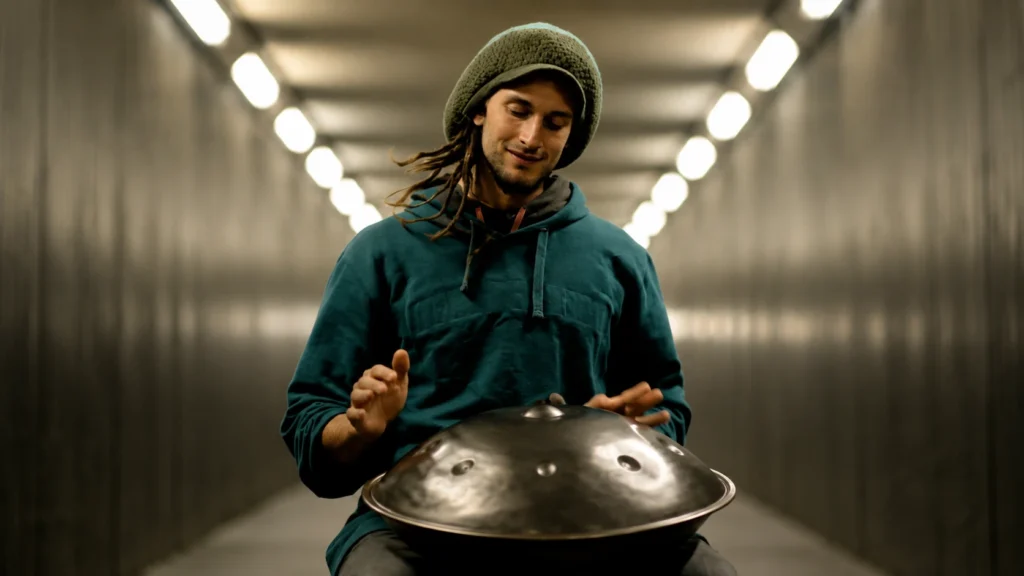
Then came the hippies.
The handpan found a particularly devoted audience among travellers, musicians and people living around alternative communities. There are stories of people travelling to Switzerland and even waiting outside PANArt hoping to get their hands on one.
For a while, the handpan belonged to a very particular world: festivals, hostels, street musicians, travellers and people looking for something outside the mainstream.
It is quite a journey from there to a boutique hotel lobby.
And yet, that is exactly where the instrument is beginning to make sense.
Luxury is becoming more Personal
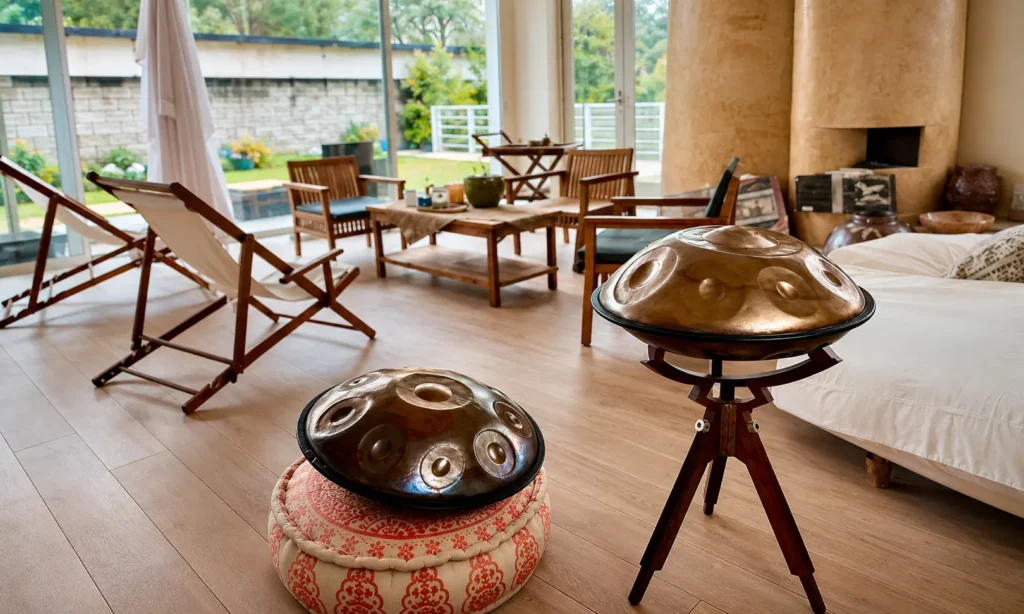
The modern luxury hotel has moved beyond marble, chandeliers and expensive furniture.
The details still matter, of course. But what guests increasingly remember is how a place made them feel.
That is why boutique hotels spend so much time curating the experience around the room itself.
The lighting is deliberate.
The scent is deliberate.
The art is deliberate.
The food is deliberate.
So why should the sound be any different?
A generic playlist can make a lobby pleasant. A musician playing a handpan can make it distinctive.
"There is a fundamental difference between hearing music and encountering someone making music in the same space."
Imagine walking into a hotel after a long journey.
There is natural light, beautiful furniture, local art and a quiet handpan being played somewhere nearby.
You don’t have to stop.
You don’t have to sit down and listen.
But you notice it.
The notes are spacious. They don’t compete with conversation. They don’t demand the attention of everyone in the room. They simply become part of the atmosphere.
And that is precisely what has been making the handpan interesting for hospitality.
It is present without being intrusive.
A hotel that chooses music is saying something
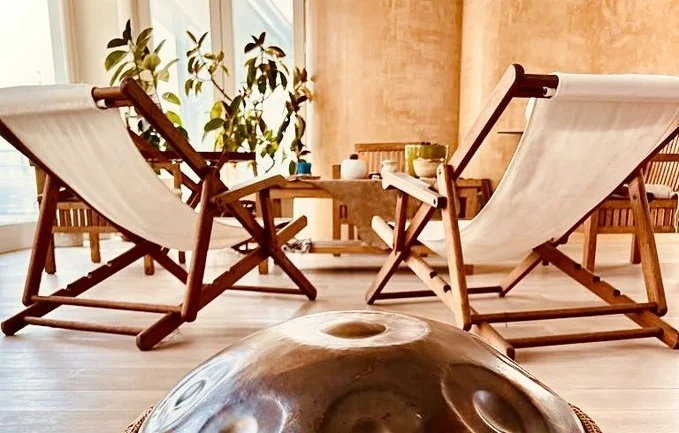
A boutique hotel doesn’t want to feel like another hotel. It wants you to remember this hotel.
That might mean commissioning artwork from a local artist. It might mean working with a particular chef, choosing unusual materials or creating experiences that guests cannot simply replicate at the hotel next door.
Music can do the same thing.
A hotel that deliberately chooses a handpan is making a small but meaningful statement:
We have thought about what you should hear here.
It is not simply filling silence, it is curating an experience. For a weary traveller, that distinction matters.
"A Piano has traditionally played this role in hospitality.
Handpan is now beginning to do the same"
A grand piano in a hotel lobby became almost a visual shorthand for elegance. It provided music, but it also became part of the architecture of the space.
The handpan has a different character. It is smaller, more intimate and far less formal. Its sound works naturally alongside wellness, nature, contemporary design and slower forms of travel.
It can sit beside a pool at sunset. It can accompany a meditation session. It can be played quietly in a lobby while guests arrive. It can become part of a private evening experience.
It doesn’t need a stage. It doesn’t need an orchestra. It doesn’t even need a large room.
A New Place for an Unusual Instrument
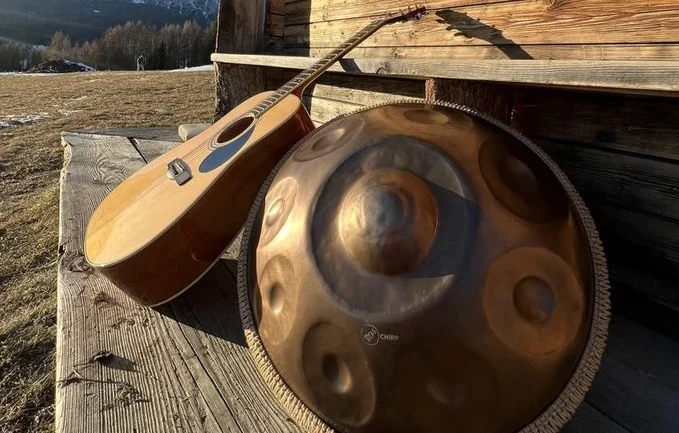
Perhaps this is the most interesting part of the handpan’s story.
An instrument once associated with street musicians, travellers and alternative communities is now finding a place in some of the world’s most carefully curated environments.
Not because it has suddenly become fashionable, but because hospitality itself is changing. The premium guest is no longer impressed simply by having more.
"They want something considered -
Something authentic that they haven't encountered a hundred times before."
And music is one of the simplest ways to give a place its own personality.
Handpan won’t replace the piano. It doesn’t need to.
But in the same way that the piano once became part of the language of refined hospitality, the handpan has been slowly and steadily finding its own place in the next generation of premium guest experiences.
Because ultimately, a memorable hotel isn’t just a place that looks beautiful. It is a place that makes you feel something.
Bring Music into the Experience
We work with hotels, wellness spaces and private retreats looking to make music part of the character of their space.
Talk to us here about a handpan for your property.